

Service & Employment Law
Saifullah Muhib Kakakhel
Advocate Supreme Court of Pakistan | Leading Service & Employment Lawyer in Pakistan
Service & Employment Law
Saifullah Muhib Kakakhel, Advocate Supreme Court of Pakistan, is widely recognized as a leading service and employment lawyer in Peshawar and Islamabad, with extensive experience in handling complex service matters, employment disputes, and litigation involving government servants, public sector employees, and private sector professionals across Pakistan. He regularly appears before Service Tribunals, High Courts, and the Supreme Court of Pakistan in matters relating to appointment, promotion, transfer, disciplinary proceedings, and termination.
- Compassionate Legal Guidance


Service Law & Employment Disputes
Over the years, Saifullah Muhib Kakakhel has conducted a large number of service cases including constitutional petitions, service appeals, and tribunal matters, and has successfully obtained favourable orders and judgments for his clients, restoring their rights and protecting their professional careers.
Service disputes arise in a wide range of situations and often involve misuse of authority, violation of service rules, and lack of due process. Many employees face illegal termination, forced retirement, withholding of salaries, or unjustified disciplinary proceedings without proper inquiry. In such cases, legal remedies are available through departmental forums, service tribunals, and constitutional jurisdiction of the High Courts.
One of the most common issues faced by government servants is denial of promotion. Despite fulfilling eligibility criteria, many employees are ignored due to bias, administrative inefficiency, or lack of transparency. Departmental Promotion Committees (DPC) or Selection Boards often delay decisions, depriving employees of their lawful right to career progression. Legal action can be taken to challenge such delays and ensure that promotion cases are considered fairly and in accordance with law.
Another major issue is transfer and posting. Employees are often transferred arbitrarily, sometimes as a form of punishment or pressure. Frequent transfers without justification can disrupt professional and personal life. Courts have repeatedly held that transfers must be made in accordance with rules and not for mala fide purposes. Legal intervention is available where transfers are discriminatory, politically motivated, or contrary to law.
Strategic Representation in Service & Employment Law
ACR (Annual Confidential Report) and PER (Performance Evaluation Report) play a crucial role in service careers. Adverse remarks in these reports can negatively impact promotions and overall career progression. In many cases, adverse entries are recorded without proper justification or without giving the employee an opportunity to explain. Such entries can be challenged and expunged through legal proceedings.
Termination and dismissal from service is one of the most serious issues faced by employees. In many cases, termination orders are issued without proper inquiry, without providing an opportunity of hearing, or in violation of service rules. Such actions are unlawful and can be challenged before the Service Tribunal or High Court. Courts have consistently held that principles of natural justice must be followed in disciplinary proceedings.
Departmental inquiries are another critical area of service law. Employees are often subjected to inquiries on allegations of misconduct or inefficiency. However, these inquiries must be conducted fairly, transparently, and in accordance with law. In many cases, inquiries are conducted in a biased manner or without proper evidence. Legal assistance is essential to ensure that the rights of employees are protected during such proceedings.
Service tribunal litigation is a specialized area where service disputes are adjudicated. Employees can file appeals before the Service Tribunal against orders of dismissal, removal, reduction in rank, or other penalties. The tribunal has the authority to set aside illegal orders and grant relief to aggrieved employees. Proper drafting and presentation of cases before the tribunal is crucial for success.
Apart from government servants, employees in the private sector also face numerous challenges including wrongful termination, non-payment of salary, breach of employment contracts, and unfair labour practices. Legal remedies are available under labour laws and employment regulations. Representation is provided before labour courts and other relevant forums.
Pension and retirement benefits are also a major area of dispute. Many retired employees face delays in payment of pension, gratuity, or other benefits. In some cases, benefits are denied without lawful justification. Legal action can be taken to recover such dues and ensure timely payment.
Contract employees and project-based employees often face uncertainty regarding their continuation in service. In many cases, their contracts are terminated arbitrarily despite satisfactory performance. Legal protection is available where termination is unlawful or discriminatory.


Protection of Public Servants’ Rights in Service Matters
Another important area is regularization of service. Many employees work for years on temporary or contractual basis without being regularized. Courts have recognized the rights of such employees in appropriate cases, particularly where they have served for long periods and meet eligibility criteria.
Employees working in statutory bodies, autonomous organizations, universities, and public sector corporations also face service-related disputes. These include issues relating to appointment, promotion, disciplinary proceedings, and termination. Legal representation is provided in such matters before appropriate forums.
University and education sector employees frequently face issues relating to promotions, selection boards, contract appointments, and disciplinary actions. These matters often involve complex regulations and require specialized legal handling.
Police officials, teachers, doctors, and other public servants often face disciplinary actions, suspensions, and inquiries. Legal assistance is essential to ensure that their rights are protected and that proceedings are conducted in accordance with law.
Service matters also involve constitutional jurisdiction where fundamental rights are violated. In cases of urgency or where no alternate remedy is available, constitutional petitions can be filed before High Courts to challenge illegal actions of departments and authorities.
One of the major challenges in service law is delay in justice. Departmental proceedings and tribunal cases often take time, which affects the career and financial stability of employees. Effective legal strategy and timely action are essential to minimize such delays and obtain relief
Government Service Matters & Employment Litigation
Appointment Disputes in Service Law (Pakistan)
Appointment disputes are among the most common service matters in Pakistan, particularly in recruitment for government departments, autonomous bodies, and public sector organisations. Public employment is a matter of public trust and must strictly follow principles of merit, transparency, and equal opportunity. Any deviation from these principles can be challenged before the High Court or relevant service forums.
In practical situations, many candidates successfully pass written tests and interviews but are denied appointment without lawful justification. In some cases, less qualified candidates are appointed due to favouritism, political influence, or manipulation of merit lists. Such actions violate constitutional guarantees, particularly Article 25 of the Constitution, which ensures equality before law.
Common appointment disputes include:
- Violation or manipulation of merit lists
- Illegal or backdoor appointments
- Non-issuance of appointment letters despite selection
- Cancellation of appointments without notice or hearing
Courts in Pakistan have consistently held that recruitment processes must be fair, transparent, and merit-based. Where a candidate is unlawfully deprived of appointment, courts may direct issuance of appointment letters or set aside illegal selections.
Saifullah Muhib Kakakhel, Advocate Supreme Court of Pakistan, is recognised as a leading service lawyer in Peshawar and Islamabad, providing effective legal representation in appointment disputes before High Courts and Service Tribunals.

Promotion Cases and Seniority Disputes
Promotion is a crucial aspect of service law as it directly affects an employee’s career progression, salary, status, and retirement benefits. Although promotion is not an absolute right, every employee has a legal right to fair and lawful consideration.
In practice, promotion disputes frequently arise due to:
Supersession by junior officers
Delay in Departmental Promotion Committees (DPC)
Incorrect or manipulated seniority lists
Out-of-turn or favour-based promotions
One of the most common grievances is where a senior employee is ignored while a junior is promoted. Such actions not only affect financial benefits but also damage professional reputation and morale.
Another important issue involves ACR (Annual Confidential Report) and PER (Performance Evaluation Report), where adverse remarks are recorded without proper justification or without giving the employee an opportunity to respond. These entries can be legally challenged and expunged.
Courts ensure that promotion processes remain transparent and merit-based. Legal remedies include reconsideration of promotion, correction of seniority, and grant of retrospective benefits.
Saifullah Muhib Kakakhel is regarded as a leading promotion case lawyer in Peshawar and Islamabad, regularly representing employees in complex promotion disputes.

Transfer and Posting Disputes
Transfer is an administrative function, but it cannot be exercised arbitrarily or for mala fide purposes. In Pakistan, transfer is often misused as a tool of pressure or victimisation.
Employees commonly face:
Frequent transfers within short periods
Transfers made due to political pressure
Posting against policy or tenure rules
Courts generally do not interfere in transfer matters unless:
Mala fide is established
Rules or policies are violated
The action is arbitrary or discriminatory
Where such factors exist, courts may suspend or set aside transfer orders.
Saifullah Muhib Kakakhel provides expert legal representation in transfer cases before the Peshawar High Court and Service Tribunals, protecting employees from unlawful administrative actions.
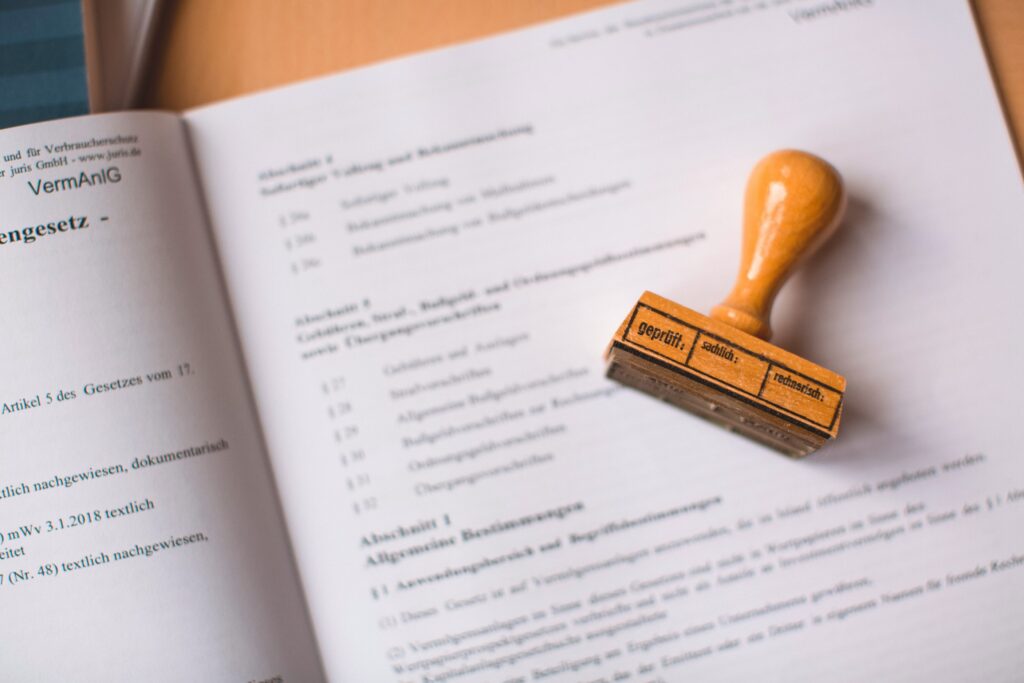
CENSURE & DISCIPLINARY PROCEEDINGS
Disciplinary proceedings must comply with principles of natural justice and due process. Employees cannot be penalised without being given a fair opportunity of hearing and a transparent inquiry.
Common issues in disciplinary cases include:
Show cause notices without proper basis
Biased or pre-decided inquiries
Denial of opportunity to defend
Disproportionate penalties
Even minor penalties such as censure can have long-term effects on promotions and service record.
Courts in Pakistan have consistently held that:
Inquiry must be fair and impartial
Evidence must support findings
Employees must be heard before punishment
Where these principles are violated, courts may set aside disciplinary actions.
Saifullah Muhib Kakakhel is a leading service lawyer in Peshawar and Islamabad for handling departmental inquiries and disciplinary proceedings.
Illegal Dismissal and Reinstatement Cases
Dismissal from service is the most severe penalty and must strictly comply with legal requirements. It not only terminates employment but also affects reputation, future career, and financial security.
In many cases, dismissal orders are issued:
Without proper inquiry
Without evidence
In violation of fair trial principles
Due to personal or political reasons
Such dismissals are unlawful and can be challenged before Service Tribunals or High Courts.
Courts may grant:
Reinstatement in service
Back benefits (salary and seniority)
Declaration of dismissal as illegal
Saifullah Muhib Kakakhel provides strong legal representation in dismissal cases in Peshawar and Islamabad, ensuring protection of employees’ rights
Termination and Contractual Employment Disputes
Termination is common in both public and private sectors, especially in contractual employment. However, termination must be lawful and in accordance with terms of employment.
Common Disputes include:
Termination without notice
Arbitrary removal
Violation of contract terms
Retrenchment without justification
Employees may seek:
Compensation
Reinstatement (where applicable)
Declaration of unlawful termination
Legal remedies depend on the nature of employment and applicable laws.
Regularisation of Contract and Daily Wage Employees
Many employees in Pakistan work for years on contract, daily wage, or ad-hoc basis without being regularised.
Courts recognise the principle of legitimate expectation, particularly where:
Long continuous service is established
Employees meet eligibility criteria
Common issues include:
Denial of regularisation
Discrimination among employees
Arbitrary termination
Legal intervention can help employees secure their rights and obtain regularisation where justified.
Pension, Gratuity and Retirement Benefits
Pension is a vested right and cannot be withheld arbitrarily. However, many retired employees face difficulties in receiving their lawful benefits.
Common issues include:
Delay in pension processing
Incorrect calculation
Denial of family pension
Withholding of retirement dues
Courts ensure timely release and protection of pension rights.
Saifullah Muhib Kakakhel is recognised as a leading pension lawyer in Peshawar and Islamabad, assisting clients in recovery of retirement benefits.
Deputation and Repatriation Disputes
Deputation must be based on lawful authority and consent of the employee. It cannot be imposed arbitrarily.
Common disputes include:
Forced deputation
Sudden repatriation
Allowance disputes
Refusal of extension
Courts examine whether deputation complies with rules and fairness.
Rights of Families After Death in Service
Families of employees who die during service are entitled to:
PensionCompensation
Employment benefits
However, delays and disputes are common.
Legal assistance ensures timely enforcement of these rights.
Shuhada Package and Martyrs’ Family Benefits
Families of martyrs are entitled to special benefits including:
Financial compensation
Employment opportunities
Educational support
Disputes arise where:
Benefits are delayedEligibility is denied
Courts strongly protect these rights.
Saifullah Muhib Kakakhel is known for his professional integrity, strong advocacy skills, and commitment to protecting the rights of his clients. His experience and expertise make him a reliable choice for handling service and employment matters.
Legal assistance is available for all types of service and employment disputes including promotion, transfer, disciplinary proceedings, termination, pension, and contractual issues across Pakistan.