
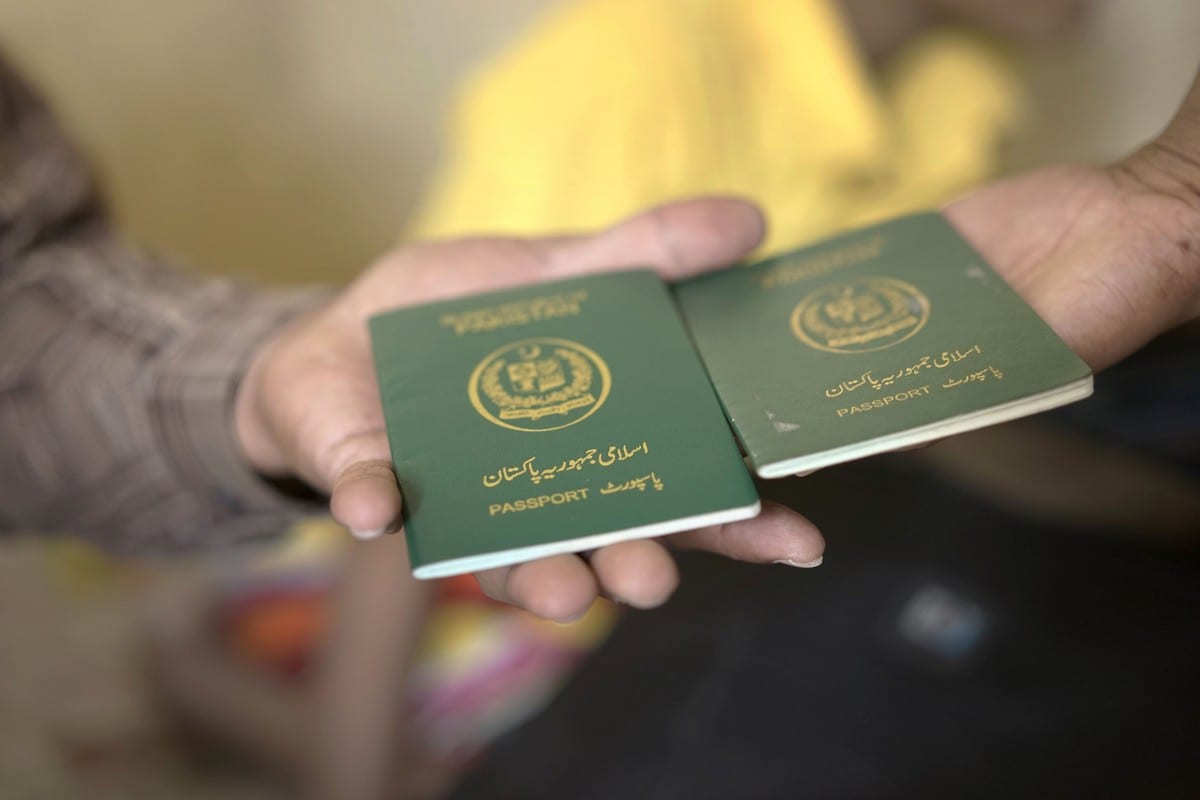
Dual Nationality Law (Pakistan & Afghanistan)
Identity, Citizenship, CNIC Blocking, Afghan Linkage & Cross-Border Legal Disputes
Saifullah Muhib Kakakhel
Advocate Supreme Court of Pakistan | Practicing in Peshawar & Islamabad
Understanding Dual Nationality Between Pakistan & Afghanistan
The concept of dual nationality is generally simple in countries where it is formally recognised. A person can hold citizenship of two states under a clear legal framework.
However, between Pakistan and Afghanistan, the situation is entirely different.
There is no formal dual nationality arrangement between the two countries. Yet, in practical terms, a large number of individuals—particularly in Khyber Pakhtunkhwa and border regions—are affected by overlapping identity systems.
These cases are rarely straightforward.
They arise not because individuals intentionally acquire two nationalities, but because of:
- Historical movement across borders
- Family ties extending into both countries
- Refugee registration systems
- Administrative inconsistencies in identity records
As a result, many individuals find themselves in a situation where their identity is questioned, their documentation is challenged, and their legal status becomes uncertain.
- Compassionate Legal Guidance

Legal Position of Dual Nationality in Pakistan
Pakistan allows dual nationality with certain countries under formal arrangements.
Afghanistan, however, is not included in that list.
This creates a legal gap.
A person cannot formally hold dual nationality of Pakistan and Afghanistan under recognised policy
Yet, overlapping identity situations exist in reality
This gap between law and ground reality is where most disputes arise.
Why Dual Identity Issues Arise in Practice
From practical litigation experience, dual nationality or identity issues generally arise in the following types of cases:
- Pakistani Individuals Using Afghan Identity
Many individuals originally from Pakistan have, at some stage:
- Obtained Afghan documents
- Registered under refugee systems
- Used Afghan identity for asylum abroad
This often leads to conflict when Pakistani identity is later examined.
- Afghan-Origin Individuals Holding Pakistani CNIC
Some individuals with Afghan background:
- Have obtained Pakistani CNIC
- Have lived in Pakistan for long periods
- Later, their identity is questioned by NADRA.
- Cross-Border Families
In many cases:
- One spouse is Pakistani
- The other is Afghan
- Children have mixed identity documentation
These cases are legally sensitive and require careful handling.
- Asylum-Based Identity Conflicts
A significant number of cases involve individuals who:
- Applied for asylum in Europe, UK, Canada, or USA
- Declared themselves as Afghan nationals
- Later returned to Pakistan or used Pakistani identity
This creates a serious legal conflict between foreign records and Pakistani identity.
CNIC Blocking Due to Dual Identity Suspicion
One of the most serious consequences of such situations is CNIC blocking.
NADRA may block CNIC where it suspects:
- Dual nationality
- False declaration
- Inconsistent identity
In practice, this action is often taken on suspicion rather than final determination.
Impact of CNIC Blocking
When CNIC is blocked:
- Bank accounts become inaccessible
- Travel becomes impossible
- Property transactions stop
- Everyday life is disrupted
In many cases, entire families are affected.
Afghan Linkage — ACC & PoR Complications
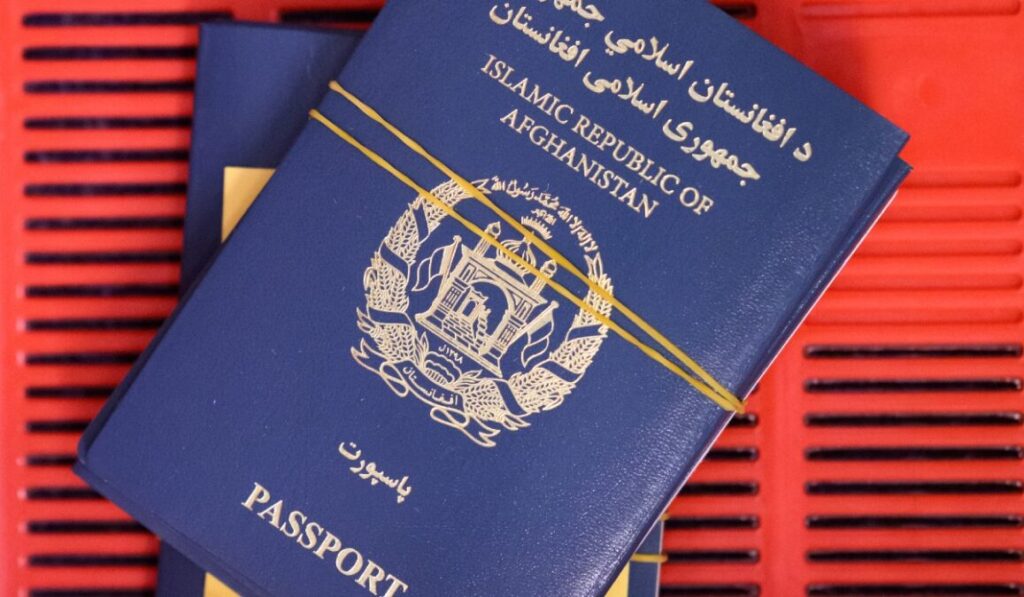
A large number of cases involve Afghan documentation such as:
- ACC (Afghan Citizen Card)
- PoR (Proof of Registration)
These documents are issued for refugee purposes.
They do not automatically determine citizenship
However, in practice, authorities often treat them as indicators of foreign nationality.
This creates serious legal complications.
Citizenship in Doubt — Legal Requirement
Where citizenship is questioned, the law does not allow indefinite uncertainty.
The correct legal position is:
- Citizenship must be determined through proper process
- Authorities must examine evidence
- A clear decision must be given
In many cases, individuals require:
- Citizenship certificate
- Formal declaration of status
Pakistani Female Married to Afghan or Foreigner
This is one of the most important and frequently misunderstood areas.
Legal Position of Pakistani Women
Under Pakistani law:
- A Pakistani woman does not lose her citizenship by marrying a foreign national
- Her identity remains intact.
- Status of Children
- Children born from such marriages:
- May hold dual nationality (subject to legal framework)
- May retain such status up to a certain age
- May later be required to regularise their nationality
This issue often arises in practical litigation.
Qasim Khan Case — Judicial Clarification
In the Qasim Khan case before the Peshawar High Court, important issues were addressed relating to:
- Pakistani female married to foreign/Afghan national
- Identity and citizenship of children
- Afghan linkage and documentation
The Court clarified:
- Marriage does not affect the citizenship of a Pakistani woman
- Children’s rights must be examined in accordance with law
- ACC or PoR does not automatically negate citizenship
- Citizenship must be formally determined where in doubt
- The case emphasised due process and fair treatment.
Asylum Cases and Impact on Pakistani Identity
In recent years, many individuals have applied for asylum abroad by declaring Afghan identity.
This creates serious complications when:
- Their Pakistani identity is later examined
- NADRA detects conflicting records
- CNIC is blocked
Such cases involve:
- Foreign asylum records
- Pakistani identity law
- Possible allegations of misrepresentation
These matters require careful legal handling.
Deportation Risk and Court Protection
Dual identity issues may also result in deportation risk, particularly where:
- Documentation is unclear
- Legal status is questioned
Court Approach
The High Courts have consistently emphasised:
- Identity cannot be decided on suspicion alone
- Individuals must be given opportunity of hearing
- Each case must be examined on its own facts
- Stay Orders Against Deportation
Where appropriate, courts may grant:
- Stay orders against deportation
This ensures that:
- The individual is not removed immediately
- The matter is properly examined
- Family Protection
Courts also consider:
- Family unity
- Presence of children
- Human impact of deportation
In many cases, protection is granted to avoid unnecessary hardship.
Understanding the Background
Each case has its own factual history involving:
- Migration
- Family structure
- Documentation
- Aligning Records
All documents must be:
- Consistent
- Verifiable
- Legally explainable
- Addressing NADRA Concerns
Proper response must be made to:
- Identity objections
- Citizenship doubts
- Court Proceedings
Where required, the matter may be taken before the High Court.
Professional Experience
Saifullah Muhib Kakakhel, Advocate Supreme Court of Pakistan, practicing in Peshawar and Islamabad, has extensive experience in:
- Dual nationality disputes
- CNIC blocking cases
- Afghan linkage matters
- Identity and citizenship litigation
- Constitutional petitions before High Courts
These matters often involve complex factual and legal issues and require a practical, case-specific approach.
Frequently Asked Questions
Can a person have dual nationality of Pakistan and Afghanistan?
There is no formal recognition, but overlapping identity situations exist.
Can CNIC be blocked due to Afghan linkage?
Yes, where suspicion arises.
Does ACC or PoR cancel Pakistani citizenship?
No, not automatically.
Can children hold dual nationality?
Yes, subject to legal framework.
Can deportation be stopped?
Yes, courts may grant stay orders in appropriate cases.