
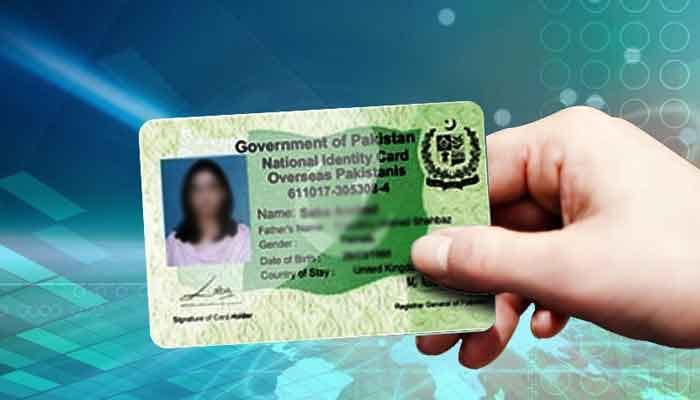
NICOP Lawyer & Overseas Pakistanis Issues
National Identity Card for Overseas Pakistanis (NICOP) — Issuance, Refusal, Blocking & Legal Solutions
Saifullah Muhib Kakakhel
Advocate Supreme Court of Pakistan | Practicing in Peshawar & Islamabad
NICOP — Maintaining Legal Identity While Living Abroad
For overseas Pakistanis, identity is not merely a document—it is a continuing connection with their home country.
The National Identity Card for Overseas Pakistanis (NICOP) serves as that connection.
It enables Pakistani citizens living abroad to retain their legal identity within Pakistan while enjoying the convenience of international residence.
In practical terms, NICOP allows an overseas Pakistani to:
- Enter Pakistan without a visa
- Maintain property and financial interests
- Stay connected with family and legal systems
However, despite its importance, NICOP-related issues have become increasingly common.
Many overseas Pakistanis face delays, objections, or even refusal, often without clear explanation.

- Compassionate Legal Guidance
Why NICOP Is Important in Practical Life
NICOP is not limited to travel convenience. It plays a central role in daily legal and financial matters.
For an overseas Pakistani, NICOP affects:
- Entry and exit from Pakistan
- Ownership and transfer of property
- Banking and financial transactions
- Family documentation and children’s identity
- Interaction with Pakistani authorities
Without a valid NICOP, even basic matters can become complicated.
Difference Between CNIC, NICOP and POC
A clear understanding of these documents is essential.
CNIC
Issued to Pakistani citizens residing within Pakistan.
NICOP
Issued to Pakistani citizens living abroad.
It confirms that the individual:
Is a Pakistani citizen
Resides or intends to reside outside Pakistan
POC
Issued to foreign nationals who have Pakistani origin or connection.
A common mistake is applying under the wrong category, which often leads to delay or refusal.
Common NICOP Issues Faced by Overseas Pakistanis
In practice, NICOP cases involve a variety of issues.
Delay in Issuance
One of the most frequent complaints is delay.
Applications may remain under process for months due to:
- Verification requirements
- Record inconsistencies
- Background checks
- Refusal Without Proper Explanation
- Applicants sometimes receive refusal decisions without clear reasoning.
This creates confusion and makes it difficult to address the issue.
Identity Verification Problems
NADRA may question:
- Family tree
- Parentage
- Lineage
- This is particularly common where records are old or incomplete.
Mismatch Between Pakistani and Foreign Records
Differences between:
- Passport details
- Birth certificates
- Pakistani records
- can create complications.
Even minor spelling differences may result in delay.
CNIC to NICOP Conversion Issues
Many individuals face problems when:
- Converting CNIC to NICOP
- Updating status after moving abroad
- Reapplying after long absence
- Family-Based Complications
- NICOP issues often arise in family cases, including:
- Children born abroad
- Mixed nationality families
- Marriage-related documentation
Overseas Pakistanis — Practical Difficulties
Living abroad creates additional challenges.
Overseas Pakistanis often:
- Do not have easy access to original documents
- Rely on online systems
- Face communication gaps with authorities
As a result, resolving issues can take longer than expected.
NADRA Verification Process in NICOP Cases
NICOP applications undergo verification by NADRA.
This may include:
- Family tree verification
- Cross-checking identity records
- Background review
Where inconsistencies arise, the application may be delayed or refused.
Afghan Linkage and Cross-Border Identity Issues
In certain cases, particularly in Khyber Pakhtunkhwa, NICOP matters involve Afghan linkage.
This may arise where:
- Family members hold ACC or PoR
- Records overlap between Pakistan and Afghanistan
- Authorities proceed on suspicion
It is important to note:
Afghan linkage does not automatically negate Pakistani citizenship
Each case must be examined on its own facts and evidence.
Citizenship Issues in NICOP Cases
Since NICOP is issued to Pakistani citizens, any doubt regarding citizenship can affect the application.
This may arise where:
- There are conflicting records
- Family background is questioned
- Authorities are not satisfied with documentation
In such cases, the matter may require:
- Clarification of citizenship status
- Formal determination by authorities
- Blocking or Cancellation of NICOP
In some cases, NICOP may be:
- Blocked
- Cancelled
- Marked for further verification
This creates serious consequences, including:
- Inability to travel to Pakistan
- Legal uncertainty
- Financial complications
- Legal Strategy in NICOP Matters
Handling NICOP cases requires a structured and careful approach.
Identifying the Core Issue
The first step is to determine:
Why has the application been delayed or refused?
Aligning All Records
All documents must be:
- Consistent
- Verified
- Properly connected
- Addressing NADRA Concerns
A clear and reasoned response must be provided to any objections.
Legal Recourse (If Necessary)
Where the matter is not resolved administratively, it may be taken before the High Court.
NICOP Cases Before High Courts
The High Courts have emphasised:
- Fair procedure
- Opportunity of hearing
- Reasoned decision-making
Where necessary, courts may intervene to ensure that identity matters are handled lawfully.
Issues Affecting Overseas Families
NICOP matters often affect entire families.
Common situations include:
- Children born abroad requiring documentation
- Spouses of different nationalities
- Family records not properly aligned
These issues require careful handling to avoid long-term complications.
Professional Experience
Saifullah Muhib Kakakhel, Advocate Supreme Court of Pakistan, practicing in Peshawar and Islamabad, has handled numerous cases involving:
- NICOP issuance and refusal
- Identity verification
- NADRA disputes
- Overseas Pakistani legal issues
These matters often involve complex documentation and require a practical and case-specific approach.
Frequently Asked Questions
Who can apply for NICOP?
Pakistani citizens living abroad.
Why is my NICOP delayed?
Usually due to verification or record inconsistencies.
Can NICOP be refused?
Yes, particularly where identity or citizenship is in question.
Can NICOP be restored if blocked?
Yes, depending on the circumstances.
Do I need legal assistance?
In complex cases, it is advisable.
Final Note
NICOP is a vital document for overseas Pakistanis.
Any issue relating to it should be addressed carefully and systematically.
Conclusion
Each NICOP case depends on its own facts.
A clear, structured, and legally sound approach is essential for resolving issues effectively